
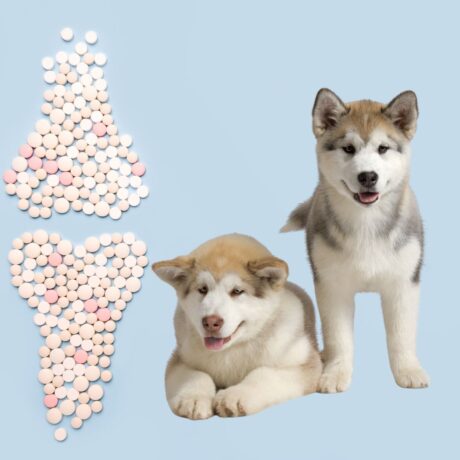
Joint Pain in Dogs: Early Signs, Causes & Treatment Options
Joint pain in dogs is a common yet often overlooked health issue that can significantly affect a dog’s mobility, comfort, and overall quality of life. Many pet parents mistake early symptoms for normal aging, delaying proper treatment. However, early diagnosis and timely care can slow progression, relieve pain, and help dogs live active, happy lives.
In this detailed guide, we’ll cover joint pain in dogs, including early signs, common causes, and effective treatment options, along with prevention tips to keep your furry companion moving comfortably for years to come.
What Is Joint Pain in Dogs?
Joint pain occurs when the structures within or surrounding a dog’s joints—such as cartilage, ligaments, or synovial fluid—become damaged, inflamed, or worn down. This joint pain in dogs may be mild at first but can worsen over time if left untreated.
Dogs of all ages can suffer from joint pain, though it is more common in senior dogs, large breeds, and dogs with a history of injury or obesity.
Early Signs of Joint Pain in Dogs
Recognizing the early signs of joint pain in dogs is crucial for preventing long-term damage. Symptoms often develop gradually, making them easy to miss.
Common Early Warning Signs
-
Difficulty standing up after resting
-
Limping or favoring one leg
-
Reluctance to climb stairs or jump
-
Slower walks or reduced activity levels
-
Stiffness, especially in the morning or cold weather
-
Hesitation before sitting or lying down
-
Changes in posture or gait
Behavioral Changes
-
Irritability or aggression when touched
-
Decreased interest in play
-
Excessive licking of joints
-
Withdrawal or depression
If your dog shows any of these symptoms for more than a few days, it may indicate underlying joint pain that needs veterinary attention.
Common Causes of Joint Pain in Dogs
Understanding the causes of joint pain in dogs helps in choosing the right treatment and preventive care.
1. Osteoarthritis
Osteoarthritis is the most common cause of chronic joint pain in dogs. It occurs due to the gradual breakdown of cartilage, leading to bone friction and inflammation.
2. Hip Dysplasia
A genetic condition often seen in large breeds, hip dysplasia occurs when the hip joint doesn’t fit properly, causing pain and reduced mobility.
3. Elbow Dysplasia
Common in medium and large breeds, elbow dysplasia results from abnormal joint development, leading to early arthritis.
4. Ligament Injuries
Injuries such as cranial cruciate ligament (CCL) tears can cause sudden or progressive joint pain.
5. Obesity
Excess body weight puts additional stress on joints, accelerating cartilage damage and worsening pain.
6. Age-Related Wear and Tear
As dogs age, joint tissues naturally weaken, making senior dogs more susceptible to joint problems.
7. Infections or Autoimmune Conditions
Certain infections or immune-mediated diseases can cause joint inflammation and pain.
Diagnosing Joint Pain in Dogs
Veterinarians use a combination of methods to diagnose joint pain accurately:
-
Physical examination and gait analysis
-
X-rays or imaging studies
-
Joint fluid analysis (in some cases)
-
Blood tests to rule out infections or autoimmune disorders
Early diagnosis allows for better management and improved outcomes.
Treatment Options for Joint Pain in Dogs

Effective treatment options for joint pain in dogs focus on pain relief, inflammation control, and joint support. Most treatment plans combine medical care with lifestyle changes.
1. Medications
Veterinarians may prescribe:
-
Non-steroidal anti-inflammatory drugs (NSAIDs)
-
Pain relievers specific to pets
-
Disease-modifying osteoarthritis drugs
⚠️ Never give human painkillers to dogs without veterinary guidance.
2. Joint Supplements
Supplements can support cartilage health and reduce inflammation, including:
-
Glucosamine and chondroitin
-
Omega-3 fatty acids
-
MSM and collagen
High-quality joint supplements are often recommended for long-term management.
3. Physical Therapy
Hydrotherapy, controlled exercises, and massage help strengthen muscles, improve flexibility, and reduce stiffness.
4. Weight Management
Maintaining a healthy weight significantly reduces joint stress and improves mobility.
5. Orthopedic Support
-
Joint-supportive dog beds
-
Ramps instead of stairs
-
Non-slip flooring
6. Advanced Treatments
In severe cases, treatment may include:
-
Stem cell therapy
-
Platelet-rich plasma (PRP) therapy
-
Surgical intervention
Your veterinarian will recommend options based on severity and your dog’s overall health.
Top 3 Joint Care Products atPetmedicine.co
Vivaldis Condrovet Large Joint Support Tablet for Dogs

Buy Now Vivaldis Condrovet Large Joint Support Tablet
Intas Synopet Powder for Dogs and Cats

Vetplus Synoquin Medium Breed Nutraceutical Supplement for Dog & Cat
Buy Now Vetplus Synoquin Medium Breed Nutraceutical Supplement
Home Care Tips for Dogs with Joint Pain

Alongside medical treatment, simple home adjustments can make a big difference:
-
Keep your dog warm during cold weather
-
Provide gentle daily exercise
-
Avoid high-impact activities
-
Use raised food and water bowls
-
Stick to a consistent routine
These steps help reduce discomfort and support joint function.
Preventing Joint Pain in Dogs
Prevention is always better than treatment. Here’s how you can reduce the risk of joint pain:
-
Feed a balanced, age-appropriate diet
-
Maintain a healthy body weight
-
Start joint supplements early for high-risk breeds
-
Schedule regular vet checkups
-
Avoid excessive jumping during puppyhood
Early preventive care can delay or even prevent joint-related issues.
When to See a Veterinarian

Seek veterinary care if your dog:
-
Shows persistent limping or stiffness
-
Experiences sudden mobility loss
-
Cries out in pain
-
Stops engaging in normal activities
Prompt treatment can prevent irreversible joint damage.
Final Thoughts
Joint pain in dogs doesn’t have to limit their happiness or mobility. By recognizing early signs of joint pain in dogs, understanding the causes, and choosing the right treatment options, pet parents can significantly improve their dog’s comfort and quality of life.
With proper veterinary care, supportive supplements, and a joint-friendly lifestyle, dogs with joint pain can continue to enjoy walks, playtime, and companionship well into their senior years. Petmedicine.co