
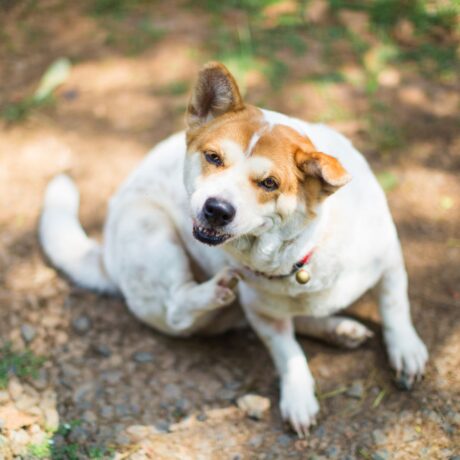
Dog Skin & Coat Problems: Itching, Hair Fall & Effective Treatments
A shiny coat and healthy skin are clear signs of a happy, healthy dog. When your dog starts scratching constantly, losing hair, or developing skin issues, it’s often more than just a cosmetic problem. Dog skin & coat problems are among the most common reasons pet parents visit veterinarians, Dog skin & coat problems especially in warm and humid climates like India.
Itching, Hair Fall & Effective Treatments from persistent itching and excessive hair fall to infections and allergies, Dog skin & coat problems issues can significantly affect your dog’s comfort and overall health. In this blog, we’ll explore the causes, early signs, and effective treatments for dog skin & coat problems, helping you take timely action for your furry friend.
Why Skin & Coat Health Is Important in Dogs

Your dog’s skin is the largest organ of their body and acts as the first line of defense against infections, parasites, and environmental allergens. A healthy coat protects the skin, regulates body temperature, and reflects your dog’s nutritional status.
When skin health is compromised, dogs may experience:
-
Continuous itching and discomfort
-
Hair thinning or bald patches
-
Redness, sores, or scabs
-
Increased risk of infections
Addressing dog skin & coat problems early can prevent long-term complications and improve your pet’s quality of life.
Shop Dog Skin & Coat Care
Common Dog Skin & Coat Problems
1. Itching (Pruritus)
Itching is usually the first and most noticeable sign of a skin problem. While occasional scratching is normal, frequent or intense itching is not.
Common causes of itching in dogs include:
-
Fleas and ticks
-
Food allergies
-
Environmental allergies (dust, pollen, mold)
-
Bacterial or fungal infections
-
Dry skin
Dogs may scratch, lick, chew, or rub themselves against furniture, leading to skin damage.
2. Hair Fall (Alopecia)
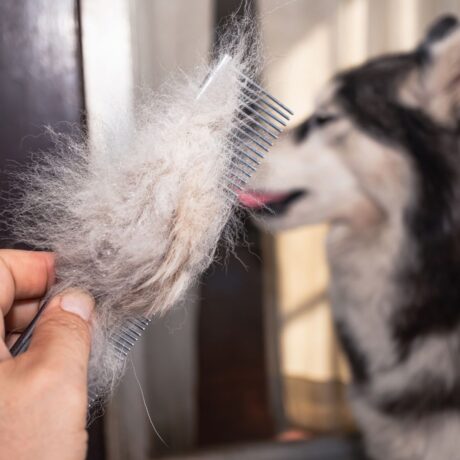
Hair fall in dogs can be seasonal or a sign of an underlying issue. While mild shedding is normal, excessive hair loss is not.
Causes of abnormal hair fall include:
-
Nutritional deficiencies
-
Hormonal imbalance (thyroid issues)
-
Skin infections
-
Parasite infestations
-
Stress or anxiety
If hair fall is accompanied by itching, redness, or bald spots, it’s time to investigate further.
3. Dry, Flaky Skin
Dry skin often appears as white flakes on your dog’s coat and bedding. It may or may not be associated with itching.
View our Dog Skin & Coat Care
Possible reasons include:
-
Poor-quality diet
-
Lack of essential fatty acids
-
Excessive bathing
-
Cold or dry weather
Dry skin can weaken the skin barrier, making dogs more prone to infections.
4. Hot Spots (Acute Moist Dermatitis)
Hot spots are red, inflamed, and painful patches of skin that appear suddenly and spread quickly. They are often caused by excessive licking or scratching.
Hot spots are commonly seen in dogs with:
-
Flea allergies
-
Thick coats
-
Underlying skin irritation
Prompt treatment is essential to prevent worsening.
5. Bacterial & Fungal Infections
Skin infections are common secondary problems when the skin barrier is damaged.
Signs include:
-
Redness and swelling
-
Pus-filled bumps
-
Bad odor from the skin
-
Darkened or thickened skin
Fungal infections like ringworm can also cause circular hair loss and scaling.
What Causes Dog Skin & Coat Problems?
Allergies
Allergies are one of the leading causes of dog skin & coat problems. Dogs can be allergic to food ingredients, flea saliva, or environmental allergens.
Parasites
Fleas, ticks, and mites cause intense itching and skin inflammation. Even a single flea bite can trigger severe allergic reactions in sensitive dogs.
Poor Nutrition

A diet lacking essential nutrients such as omega-3 and omega-6 fatty acids, zinc, and high-quality protein can lead to dull coats and skin issues.
Environmental Factors
Heat, humidity, pollution, and frequent exposure to allergens can worsen skin conditions, especially in tropical regions.
Effective Treatments for Dog Skin & Coat Problems
1. Parasite Control
Regular flea and tick prevention is crucial. Using veterinarian-recommended anti-parasite treatments can significantly reduce itching and skin damage.
2. Medicated Shampoos
Specialized shampoos help treat bacterial, fungal, and allergic skin conditions. They soothe itching, reduce inflammation, and improve coat health.
3. Nutritional Support
A balanced diet rich in:
-
Omega fatty acids
-
High-quality proteins
-
Vitamins A, E, and B-complex
can dramatically improve skin and coat condition. Supplements may be recommended in chronic cases.
4. Topical Treatments
Sprays, creams, and lotions help manage localized infections, hot spots, and irritation. These products provide fast relief from itching and redness.
5. Allergy Management
Identifying and avoiding allergens is key. In some cases, vets may recommend antihistamines, immune-support supplements, or elimination diets.
Home Care Tips for Healthy Skin & Coat
-
Brush your dog regularly to remove dead hair and improve blood circulation
-
Avoid over-bathing, which can dry out the skin
-
Use only dog-specific grooming products
-
Keep your dog’s bedding clean and dry
-
Ensure regular veterinary check-ups
Consistency in care goes a long way in preventing recurring dog skin & coat problems.
When to See a Veterinarian

You should consult a vet if:
-
Itching is severe or persistent
-
Hair loss increases rapidly
-
Skin lesions ooze or smell bad
-
Your dog shows signs of pain or lethargy
Early diagnosis leads to faster recovery and prevents chronic skin conditions.
Final Thoughts
Dog skin & coat problems such as itching, hair fall, and infections are common but manageable. With proper nutrition, regular parasite control, timely treatment, and good grooming habits, you can keep your dog’s skin healthy and coat shiny.
At petmedicine.co, you can find a wide range of trusted pet medicines, supplements, and skin-care products to support your dog’s skin and coat health. Always choose vet-approved solutions and prioritize preventive care for long-term wellbeing.