

Tick & Flea Control for Cats: Safe Solutions Every Cat Parent Should Know
Ticks and fleas may be tiny, but the problems they cause for cats can be huge. From constant itching and skin irritation to serious infections and diseases, these parasites can significantly impact your cat’s health and comfort. For cat parents, tick & flea control for cats is not just about convenience—it’s about prevention, safety, and long-term well-being. Proper tick and flea control for cats helps protect your pet from discomfort while reducing the risk of parasite-borne illnesses.
Unlike dogs, cats have unique sensitivities, and not all parasite treatments are safe for them. This Tick & Flea Control for Cats: Safe Solutions Every Cat Parent Should Know guide will walk you through everything you need to know about tick & flea control for cats, including common risks, early symptoms, effective treatment options, and safe preventive strategies that every responsible cat parent should follow.
Why Tick & Flea Control for Cats Is Essential
Many cat owners assume that indoor cats are safe from ticks and fleas. Unfortunately, that’s a myth. Fleas can hitch a ride indoors on humans, clothing, or other pets, while ticks can be found even in urban environments.
Without proper tick & flea control for cats, infestations can lead to:
-
Persistent itching and scratching
-
Skin allergies and hair loss
-
Flea allergy dermatitis (FAD)
-
Anemia (especially dangerous for kittens)
-
Transmission of diseases like hemoplasmosis and Bartonella
Effective tick & flea control for cats protects not only your pet but also your home and family.
Common Signs of Ticks and Fleas in Cats

Cats are excellent groomers, which means infestations can go unnoticed until they become severe. Watch for these warning signs:
-
Excessive scratching, licking, or biting at the skin
-
Small black specks (flea dirt) on fur or bedding
-
Red, inflamed skin or scabs, especially around the neck and tail base
-
Hair thinning or bald patches
-
Visible ticks attached to the skin
Early detection makes tick & flea control for cats far more effective and less stressful.
Understanding the Difference: Ticks vs Fleas
Fleas
-
Small, fast-moving parasites
-
Feed frequently on blood
-
Multiply rapidly in the environment
-
Cause intense itching and allergic reactions
Ticks
-
Larger parasites that attach firmly to the skin
-
Feed slowly over days
-
Can transmit serious blood-borne diseases
Because their life cycles and risks differ, tick & flea control for cats often requires combination strategies.
Top 3 Tick & Flea Products
Savavet Fiprofort Plus Cat Tick and Flea Control Spot On
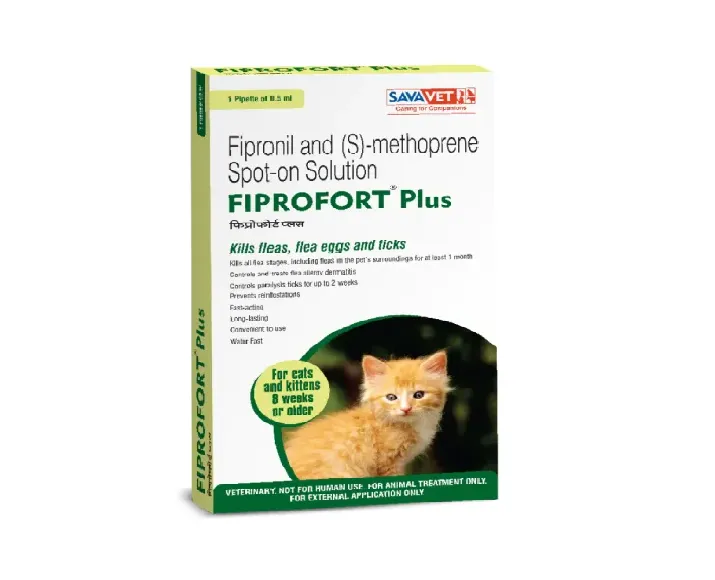
Buy Now Savavet Fiprofort Plus Cat Tick and Flea Control Spot On
Vivaldis Vi Fi Forte Fipronil Spray, Tick & Flea Control for Dogs & Cats

Buy Now Vivaldis Vi Fi Forte Fipronil Spray
Elanco Advocate Spot On Large Cats
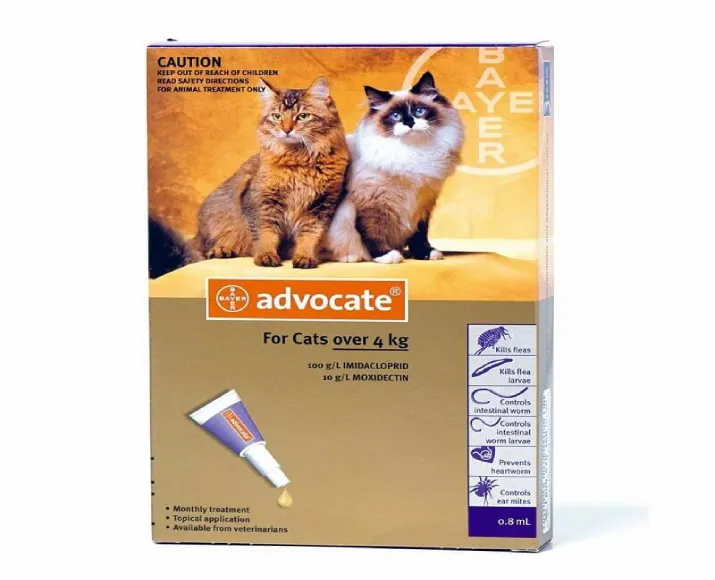
Buy Now Elanco Advocate Spot On
Safe Tick & Flea Control Options for Cats
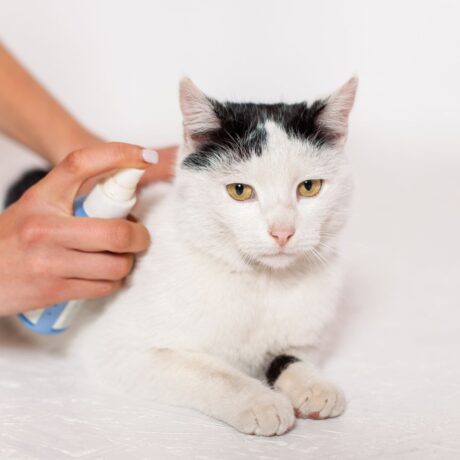
Cats are highly sensitive to many chemicals, so choosing the right product is crucial. Never use dog-specific treatments on cats, as they can be toxic.
1. Topical Spot-On Treatments
These are among the most popular and effective tick & flea control solutions for cats.
Benefits:
-
Easy monthly application
-
Kills adult fleas and prevents eggs from hatching
-
Some formulas also repel ticks
Always apply as directed and choose cat-specific formulations.
2. Oral Medications (Vet-Prescribed)
Oral treatments work systemically to kill parasites when they bite.
Benefits:
-
No residue on fur
-
Ideal for cats that dislike topical applications
These should only be given under veterinary guidance to ensure safety.
3. Flea Control Shampoos
Medicated shampoos can help during active infestations.
Important to know:
-
They kill existing fleas but don’t offer long-term protection
-
Best used alongside other tick & flea control for cats
4. Flea Collars (Use with Caution)
Modern flea collars can provide extended protection, but not all are cat-safe.
Tip:
Choose collars designed specifically for cats and avoid those with strong chemical odors.
5. Environmental Control (Often Overlooked!)
Effective tick & flea control for cats doesn’t stop with your pet.
-
Wash bedding weekly in hot water
-
Vacuum carpets, furniture, and corners regularly
-
Use pet-safe home sprays if recommended
This prevents re-infestation and breaks the flea life cycle.
Natural Remedies: Are They Safe for Cats?

Many cat parents look for “natural” alternatives, but caution is critical. Cats cannot metabolize certain essential oils.
Avoid:
-
Tea tree oil
-
Eucalyptus oil
-
Peppermint oil
These can be toxic to cats. Natural tick & flea control for cats should only be used after consulting a veterinarian.
Preventive Tips Every Cat Parent Should Follow
Prevention is always easier than treatment. Here’s how to stay ahead:
-
Use vet-approved tick & flea control for cats year-round
-
Maintain regular grooming routines
-
Schedule routine veterinary checkups
-
Treat all pets in the household simultaneously
-
Keep your home environment clean
Consistency is the key to effective tick & flea control for cats.
Special Considerations for Kittens and Senior Cats
-
Kittens: Use only age-appropriate products; many treatments are unsafe under 8 weeks
-
Senior cats: May require gentler formulations due to reduced liver or kidney function
Always consult your veterinarian before starting any tick & flea control for cats in these age groups.
When to See a Veterinarian

Seek veterinary care if:
-
Infestation is severe or recurring
-
Your cat shows signs of lethargy, pale gums, or weight loss
-
Skin infections or open wounds develop
-
You’re unsure which tick & flea control for cats is safe
Professional guidance ensures effective and safe treatment.
Final Thoughts
Ticks and fleas are more than just a nuisance—they are a serious health threat. With the right knowledge and products, tick & flea control for cats can be simple, safe, and highly effective. By choosing cat-specific treatments, maintaining a clean environment, and staying consistent with prevention, you can keep your feline companion comfortable, healthy, and parasite-free all year long. atPetmedicine.co
Your cat relies on you for protection—and a proactive approach to tick & flea control makes all the difference.