

Are Cat Medicines Different from Dog Medicines? What Every Pet Parent Must Know
When it comes to caring for our furry companions, medication safety is just as important as love and nutrition. Many pet parents often wonder: Are cat medicines different from dog medicines? At first glance, cats and dogs may seem similar, but when it comes to medicines, they are very different. Using the wrong medication—even accidentally—can lead to serious health complications, especially for cats.
Understanding are cat medicines different from dog medicines is essential for responsible pet ownership. This guide will help you understand why these medicines are not interchangeable, how cats and dogs process drugs differently, and what pet parents should always keep in mind before giving any medication.
Why Pet Medicines Are Species-Specific
Veterinary medicines are designed based on a pet’s biology, metabolism, body size, and organ function. Cats and dogs differ significantly in all these areas.
So, are cat medicines different from dog medicines?
Yes—because their bodies react to drugs in completely different ways.
A medication that is safe for dogs may be toxic or even fatal for cats. This is why veterinarians never recommend sharing medicines between pets unless explicitly prescribed.
Key Biological Differences Between Cats and Dogs
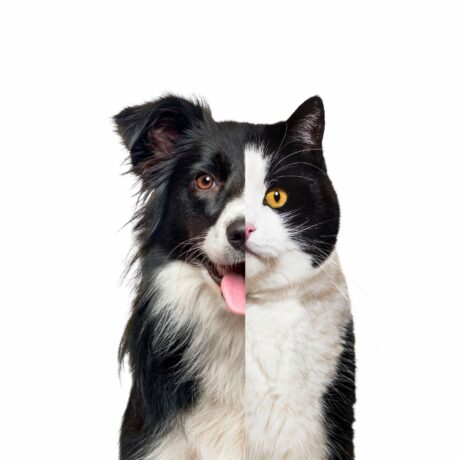
To truly understand are cat medicines different from dog medicines, let’s look at how their bodies differ.
1. Liver Metabolism
Cats lack certain liver enzymes that dogs have. These enzymes help break down drugs safely.
-
Dogs can metabolize a wider range of medicines
-
Cats process drugs more slowly and incompletely
This makes cats highly sensitive to many common medications.
2. Body Size & Dosage Sensitivity
Even small dosage differences matter:
-
Dogs usually tolerate higher doses based on body weight
-
Cats need precise, carefully calculated doses
Giving a dog-sized dose to a cat—even a small amount—can cause poisoning.
3. Kidney Function
Cats rely heavily on their kidneys to eliminate drugs. Many medications that are safe for dogs can cause kidney failure in cats.
Common Medications That Differ Between Cats and Dogs
One of the strongest reasons cat medicines are different from dog medicines is how common drugs affect them.
Pain Relievers
-
Paracetamol (Acetaminophen)
-
Safe for dogs (in correct doses)
-
Extremely toxic for cats
-
Can cause liver failure and death in cats
-
-
Ibuprofen & Aspirin
-
Sometimes prescribed for dogs
-
Dangerous for cats
-
Flea & Tick Treatments
Many flea and tick products made for dogs contain permethrin, which is:
-
Safe for dogs
-
Highly toxic to cats, even through skin contact
This is a major reason pet parents must understand are cat medicines different from dog medicines before applying parasite treatments.
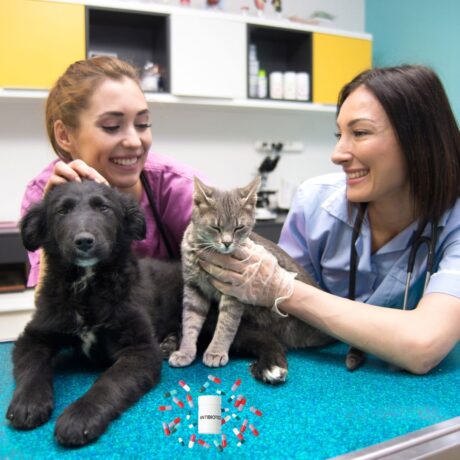
Antibiotics
Some antibiotics are safe for both species, but:
-
Dosage
-
Duration
-
Formulation
are often very different for cats and dogs.
Can Cats and Dogs Ever Share Medicines?
This is a common question after learning are cat medicines different from dog medicines.
The Short Answer: Only With Veterinary Approval
Some medications can be prescribed to both cats and dogs, such as:
-
Certain antibiotics
-
Deworming medicines
-
Gastrointestinal treatments
However, the dose, frequency, and form will almost always differ. Never assume a medicine is safe for both just because it worked for one pet.
Why Human Medicines Are Even More Dangerous

Pet parents sometimes think of using human medicines in emergencies. This is extremely risky, especially for cats.
Cats are particularly vulnerable because:
-
They cannot metabolize many human drugs
-
Even tiny doses can be lethal
This further reinforces why cat medicines are different from dog medicines—and both are different from human medicines too.
Differences in Medicine Forms for Cats and Dogs
Another important aspect of are cat medicines different from dog medicines is how they are given.
Cats Prefer:
-
Flavored liquids
-
Transdermal gels
-
Smaller tablets
Dogs Can Tolerate:
-
Larger tablets
-
Chewables
-
Flavored treats
Giving the wrong form can lead to stress, refusal, or incorrect dosing.
Risks of Giving Dog Medicines to Cats
Giving dog medicine to a cat can result in:
-
Vomiting and diarrhea
-
Seizures
-
Liver or kidney failure
-
Long-term organ damage
-
Death in severe cases
These risks make it clear why the question are cat medicines different from dog medicines should never be ignored.
How to Safely Choose the Right Medicine for Your Pet
As a responsible pet parent, follow these rules:
-
Never share medicines between pets
-
Always consult a veterinarian
-
Read labels carefully—check species clearly
-
Buy medicines from trusted pet pharmacies
-
Follow dosage instructions exactly
At atpetmedicine.co, you’ll find medicines clearly categorized for cats and dogs to help reduce the risk of mistakes.
Role of Veterinarians in Prescribing Pet Medicines

Veterinarians consider multiple factors before prescribing medicines:
-
Species (cat or dog)
-
Age
-
Weight
-
Breed
-
Existing health conditions
This expert evaluation is the reason why cat medicines are different from dog medicines and must never be used interchangeably without guidance.
Final Thoughts: Are Cat Medicines Different from Dog Medicines?
So, are cat medicines different from dog medicines?
Absolutely—yes.
Cats and dogs may share our homes, but their bodies work very differently. What helps one pet heal can seriously harm the other. Understanding these differences protects your pets from accidental poisoning and ensures they receive safe, effective treatment.
When in doubt, always consult your vet and choose species-specific medicines from reliable sources like atPetmedicine.co. Your pet’s health depends on it.