
Digestive Issues in Cats: Vomiting, Hairballs & Constipation Explained
Cats are known for their graceful habits and independent nature, but when it comes to health, they often hide discomfort well. Digestive issues in cats are among the most common health concerns faced by cat parents, Digestive issues in cats ranging from occasional vomiting to frequent hairballs and stubborn constipation. While some digestive upsets may seem harmless, Digestive issues in cats recurring symptoms can signal underlying problems that need attention.
Digestive issues in cats understanding the causes, symptoms, and management of feline digestive problems can help you keep your cat comfortable, healthy, and happy. In this guide, we’ll break down the most common digestive issues in cats—vomiting, hairballs, and constipation—and explain how to manage them safely and effectively.
Understanding Digestive Issues in Cats
The feline digestive system is sensitive by nature. Even small changes in diet, environment, or grooming habits can trigger digestive discomfort. Digestive issues in cats may occur occasionally, but when symptoms become frequent or severe, they should never be ignored.
Common signs of digestive problems include:
-
Vomiting or regurgitation
-
Hairballs
-
Constipation or straining in the litter box
-
Loss of appetite
-
Abdominal discomfort
-
Lethargy
Early awareness is key to preventing minor issues from becoming chronic digestive disorders.
Vomiting in Cats: Causes & When to Worry
Vomiting is one of the most common digestive issues in cats. While an occasional vomit may not be alarming, repeated episodes are a red flag.
Common Causes of Vomiting in Cats
-
Hair ingestion during grooming
-
Eating too fast
-
Sudden diet changes
-
Food intolerance or allergies
-
Gastrointestinal infections
-
Parasites
-
Hairballs blocking digestion
Occasional vomiting, especially linked to hairballs, may be normal. However, frequent vomiting, vomiting blood, or vomiting accompanied by weight loss or dehydration requires veterinary attention.
Managing Vomiting in Cats
-
Feed small, frequent meals
-
Avoid sudden food changes
-
Use easily digestible cat food
-
Ensure fresh water is always available
Proper digestive care supplements may also help support gut health and reduce irritation.
Hairballs in Cats: A Common Digestive Issue
Hairballs are almost synonymous with cats. Because cats groom themselves constantly, they swallow loose fur, which usually passes through the digestive tract. However, when hair accumulates in the stomach, it forms a hairball.
Why Hairballs Occur
-
Excessive grooming
-
Long-haired breeds
-
Seasonal shedding
-
Poor digestion or low fiber intake
Hairballs are a normal part of cat life, but frequent hairballs can indicate digestive inefficiency or underlying issues.
Signs of Hairball Problems
-
Gagging or retching
-
Vomiting fur-covered masses
-
Constipation due to hair buildup
-
Reduced appetite
Preventing Hairballs
-
Regular brushing to reduce loose fur
-
Hairball-control diets
-
Fiber-rich digestive supplements
-
Hairball laxative pastes (vet-recommended)
Effective hairball management plays a crucial role in preventing broader digestive issues in cats.
Constipation in Cats: Causes, Symptoms & Solutions
Constipation occurs when a cat has difficulty passing stool or passes infrequent, hard stools. It’s an uncomfortable and sometimes painful digestive issue that can worsen if untreated.
Causes of Constipation in Cats
-
Dehydration
-
Low-fiber diet
-
Hairball accumulation
-
Obesity or lack of exercise
-
Stress or environmental changes
-
Certain medications
Symptoms of Constipation
-
Straining in the litter box
-
Hard or dry stools
-
Infrequent bowel movements
-
Lethargy
-
Abdominal pain
Chronic constipation can progress into more serious conditions like megacolon, making early intervention essential.
Managing Constipation in Cats
-
Encourage water intake (wet food helps)
-
Provide fiber-rich diets
-
Maintain regular grooming
-
Use vet-approved laxatives or digestive aids
Supporting healthy digestion helps reduce constipation and improves overall gut function.
How Diet Impacts Digestive Issues in Cats
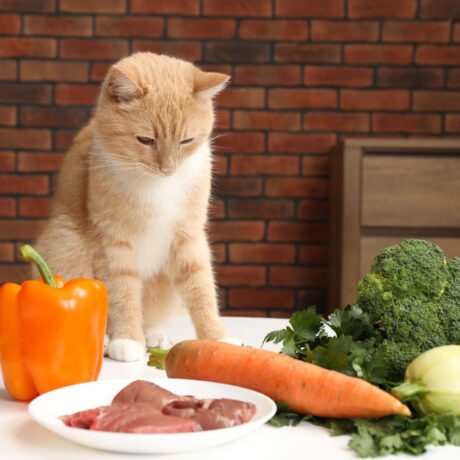
Diet plays a central role in preventing and managing digestive issues in cats. Cats are obligate carnivores, but they still need the right balance of nutrients, fiber, and moisture.
Dietary Tips for Better Digestive Health
-
Choose high-quality, easily digestible cat food
-
Include wet food to support hydration
-
Avoid frequent food changes
-
Introduce new diets gradually
-
Ensure adequate fiber intake
Poor diet choices are one of the leading contributors to chronic digestive problems in cats.
Best digestive Care Products
Vetrina Setgut Powder for Dogs and Cats
Areion Vet DiaRest Sachets Electrolytes for Dogs and Cats
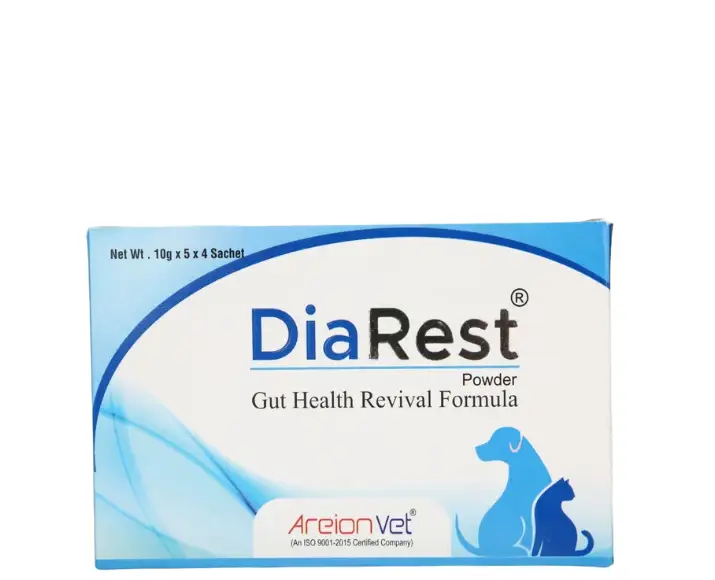
Buy Now Areion Vet DiaRest Sachets Electrolytes
Vivaldis Entero Chronic Pre & Probiotics Gut Health Powder
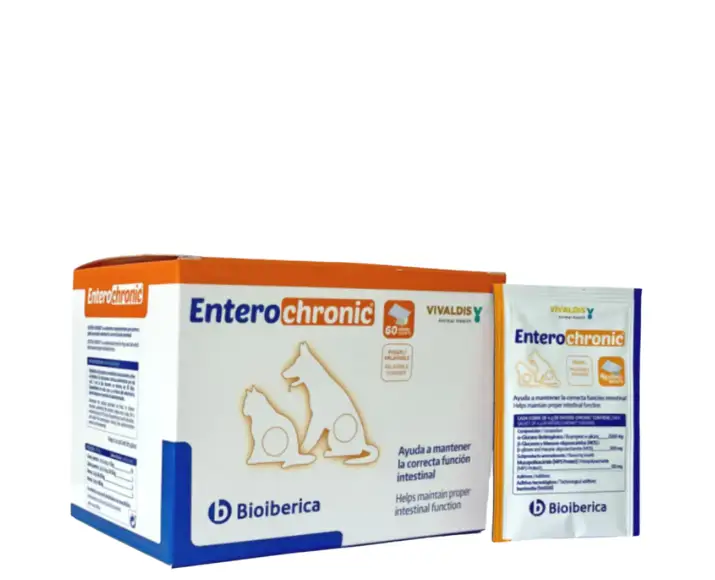
Buy Now Vivaldis Entero Chronic Pre & Probiotics Gut Health Powder
Shop Now atPetmedicine.co
When to Consult a Veterinarian
While mild digestive upsets can often be managed at home, some symptoms require immediate veterinary care:
-
Persistent vomiting or diarrhea
-
Blood in vomit or stool
-
Severe constipation lasting more than 48 hours
-
Sudden weight loss
-
Loss of appetite for more than a day
Timely diagnosis ensures proper treatment and prevents complications related to digestive issues in cats.
Preventing Digestive Issues in Cats: Daily Care Tips
Prevention is always better than cure. Simple lifestyle habits can significantly reduce the risk of digestive problems.
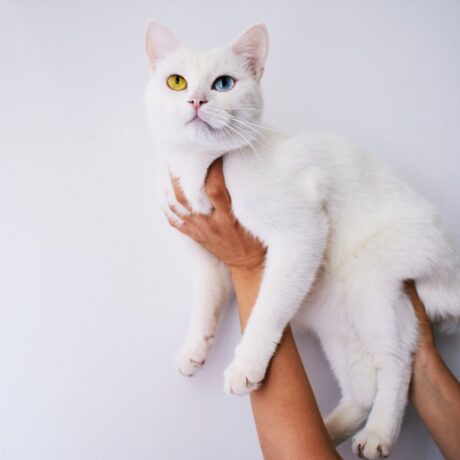
Everyday Preventive Measures
-
Maintain a consistent feeding schedule
-
Provide clean, fresh water daily
-
Groom your cat regularly
-
Keep litter boxes clean and stress-free
-
Use digestive supplements when recommended
A proactive approach ensures long-term digestive health and comfort for your feline companion.
Browse our Cats Digestive Care
Final Thoughts
Digestive issues in cats, including vomiting, hairballs, and constipation, are common but manageable with the right care and awareness. Understanding the causes, recognizing early symptoms, and supporting digestive health through proper diet and grooming can make a significant difference in your cat’s quality of life.
If digestive problems persist, always consult a veterinarian for accurate diagnosis and treatment. A healthy digestive system means a happier, more energetic cat—and peace of mind for every cat parent. atPetmedicine.co