
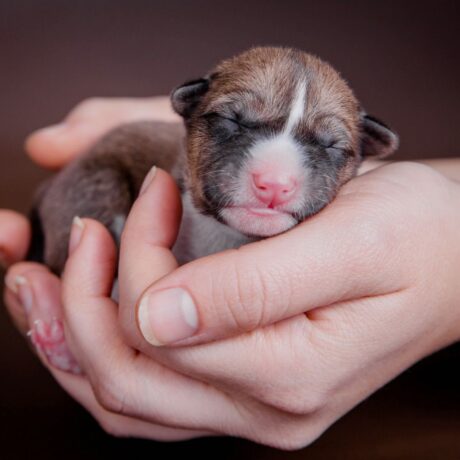
First 30 Days with a Puppy: Health & Medicine Guide
Bringing home a new puppy is one of the most exciting moments for any pet parent. However, the First 30 Days with a Puppy are also the most crucial for setting the foundation of your pet’s health, behavior, and overall well-being. During this period, your puppy is adjusting to a new environment, diet, and routine—all while their immune system is still developing.
This comprehensive guide will help you navigate the essential health and medical aspects of your puppy’s first month at home.
Why the First 30 Days with a Puppy Matter
The First 30 Days with a Puppy are a sensitive transition phase. Puppies are vulnerable to infections, stress, and digestive issues during this time. Proper care, timely vaccinations, and the right medications can ensure a smooth and healthy start.
Establishing a healthcare routine early helps prevent long-term problems and builds a strong bond between you and your furry companion.
Week 1: Settling In & Initial Health Check
Veterinary Visit is a Must
Within the first few days, schedule a visit to your veterinarian. This initial check-up helps:
-
Detect congenital issues
-
Check weight and overall health
-
Plan vaccination schedule
-
Discuss deworming and parasite control
Watch for Common Symptoms
During the First 30 Days with a Puppy, monitor for:
-
Diarrhea or vomiting
-
Loss of appetite
-
Lethargy
-
Sneezing or coughing
These could indicate infections or stress-related conditions.
Basic Supplies to Start With
-
Puppy-safe disinfectant
-
Feeding bowls
-
Thermometer
-
Basic first-aid kit
Week 2: Nutrition & Digestive Health

Feeding the Right Diet
Your puppy’s digestive system is still developing. Sudden diet changes can lead to stomach issues. Stick to:
-
High-quality puppy food
-
Small, frequent meals (3–4 times daily)
-
Fresh, clean water at all times
Digestive Care Medicines
Mild digestive upsets are common during the First 30 Days with a Puppy. Keep these handy (as advised by your vet):
-
Probiotics for gut health
-
Anti-diarrheal solutions
-
Electrolyte supplements
Avoid self-medicating without professional guidance.
Week 3: Vaccinations & Immunity Building
Core Vaccinations Begin
Vaccination is one of the most critical aspects of the First 30 Days with a Puppy. Typically, vaccines start at 6–8 weeks of age and include:
-
Parvovirus
-
Distemper
-
Hepatitis
-
Parainfluenza
Your vet will guide you on the exact schedule.
Importance of Immunity Boosters
Puppies rely on maternal antibodies initially, but these fade quickly. Immunity supplements may be recommended to:
-
Strengthen resistance
-
Reduce infection risk
-
Support overall growth
Week 4: Deworming & Parasite Control
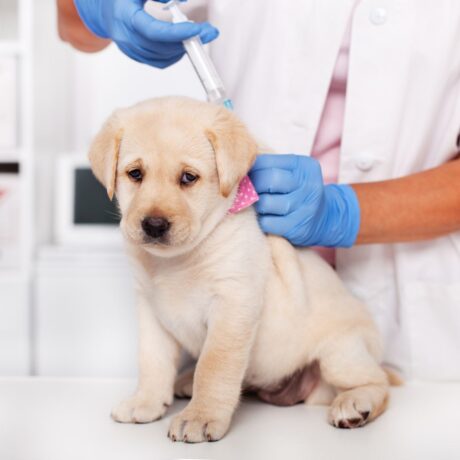
Deworming Schedule
Internal parasites are very common in young puppies. Deworming should begin early and continue at regular intervals.
Typical schedule during the First 30 Days with a Puppy:
-
First dose: Around 2–3 weeks (if not already done)
-
Repeat every 2–3 weeks
External Parasite Protection
Fleas and ticks can cause serious health issues. Use vet-approved:
-
Anti-tick powders or sprays
-
Flea control shampoos
-
Spot-on treatments
Never use adult dog products on puppies without checking safety.
Common Health Issues in the First 30 Days
1. Diarrhea
Often caused by stress, diet change, or infections. Ensure hydration and consult a vet if it persists.
2. Vomiting
Occasional vomiting may occur, but frequent episodes require immediate attention.
3. Parasites
Roundworms and hookworms are common and can affect growth.
4. Respiratory Infections
Symptoms include coughing, nasal discharge, and fever.
Early detection is key during the First 30 Days with a Puppy.
Essential Medicines to Keep at Home
Having a basic puppy medicine kit can be extremely helpful. Include:
-
Deworming suspension
-
Probiotic supplements
-
Electrolyte powder
-
Tick and flea treatment
-
Antiseptic solution
Always use medicines only after veterinary consultation.
Hygiene & Preventive Care
Keep the Living Area Clean
Cleanliness plays a vital role in your puppy’s health:
-
Disinfect bedding regularly
-
Clean food and water bowls daily
-
Maintain dry, warm sleeping space
Grooming Basics
-
Gentle brushing
-
Occasional bathing with puppy shampoo
-
Nail trimming if needed
Good hygiene reduces the risk of infections during the First 30 Days with a Puppy.
Building a Routine
Puppies thrive on routine. Establishing a daily schedule helps with both health and behavior.
Daily Routine Should Include:
-
Fixed feeding times
-
Potty training sessions
-
Playtime and exercise
-
Rest and sleep
Consistency reduces stress and promotes faster adjustment.
When to Call the Vet Immediately
During the First 30 Days with a Puppy, don’t ignore warning signs like:
-
Persistent diarrhea or vomiting
-
Blood in stool
-
Refusal to eat for more than 24 hours
-
Difficulty breathing
-
High fever
Prompt medical attention can prevent serious complications.

Tips for First-Time Puppy Parents
-
Avoid overcrowding or too many visitors initially
-
Keep toxic substances out of reach
-
Use puppy-safe cleaning products
-
Don’t skip vaccinations or deworming
Patience and attentiveness go a long way in ensuring a healthy start.
Final Thoughts
The First 30 Days with a Puppy are filled with joy, learning, and responsibility. By focusing on proper health care, timely medications, and preventive measures, you can give your puppy the best possible start in life.
Remember, a healthy puppy grows into a happy and active adult dog. Investing time and care during this initial phase will pay off for years to come. Petmedicine.co