

Kidney & Liver Problems in Dogs and Cats: Early Symptoms & Care
Kidney & Liver Problems in Dogs and Cats are among the most common yet serious health concerns affecting pets today. These vital organs perform essential functions such as filtering toxins, regulating metabolism, aiding digestion, and maintaining fluid balance. When they stop functioning properly, the consequences can quickly become life-threatening.
Understanding the early warning signs of Kidney & Liver Problems in Dogs and Cats can help pet parents seek timely treatment and improve their pet’s quality of life. In this Kidney & Liver Problems in Dogs and Cats guide, we’ll explore symptoms, causes, diagnosis, treatment options, and preventive care strategies.
Why Kidney and Liver Health Is So Important
The kidneys and liver work continuously to keep your pet’s body functioning smoothly.
Kidneys help to:
-
Remove waste products from the bloodstream
-
Balance electrolytes
-
Regulate hydration
-
Support blood pressure control
Liver helps to:
-
Detoxify harmful substances
-
Produce bile for digestion
-
Store essential vitamins and minerals
-
Metabolize proteins, fats, and carbohydrates
When Kidney & Liver Problems in Dogs and Cats develop, toxins accumulate in the bloodstream, affecting multiple organs and systems.
Common Causes of Kidney & Liver Problems in Dogs and Cats
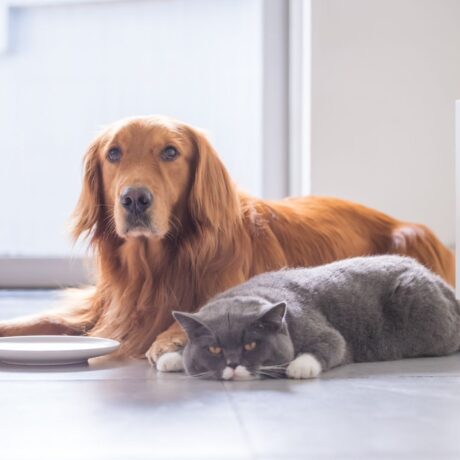
Several factors can trigger organ dysfunction:
1. Age-Related Degeneration
Chronic kidney disease (CKD) is especially common in senior cats and older dogs.
2. Infections
Bacterial and viral infections can damage kidney and liver tissues.
3. Toxins and Medications
Certain human medications, poisonous plants, contaminated food, and chemicals can cause sudden organ failure.
4. Poor Diet
Long-term nutritional imbalance may contribute to liver stress or kidney strain.
5. Genetic Predisposition
Some breeds are more prone to hereditary kidney or liver disorders.
Early Symptoms of Kidney Problems in Dogs and Cats
Kidney disease often progresses silently. Watch for these early signs:
-
Increased thirst (polydipsia)
-
Frequent urination
-
Weight loss
-
Reduced appetite
-
Vomiting
-
Bad breath (uremic odor)
-
Lethargy
-
Dehydration
In advanced stages, pets may experience mouth ulcers, seizures, or severe weakness.
Because Kidney & Liver Problems in Dogs and Cats can show overlapping symptoms, proper diagnosis is crucial.
Early Symptoms of Liver Problems in Dogs and Cats
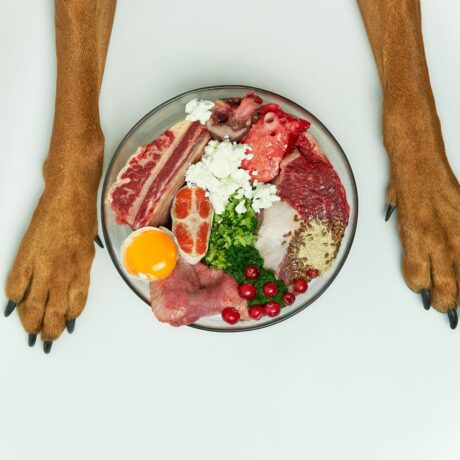
Liver disease symptoms may vary depending on severity. Common warning signs include:
-
Loss of appetite
-
Vomiting or diarrhea
-
Yellowing of eyes, gums, or skin (jaundice)
-
Dark urine
-
Pale stools
-
Swollen abdomen
-
Behavioral changes
-
Excessive drooling
-
Seizures in severe cases
If you notice jaundice or neurological symptoms, seek veterinary attention immediately.
Acute vs Chronic Conditions
Acute Kidney or Liver Failure
-
Sudden onset
-
Often caused by toxins or infections
-
Requires emergency care
-
May be reversible if treated early
Chronic Disease
-
Develops gradually
-
Common in aging pets
-
Requires long-term management
-
Cannot be cured but can be controlled
Early detection significantly improves outcomes in Kidney & Liver Problems in Dogs and Cats.
How Vets Diagnose Kidney & Liver Problems
Veterinarians typically perform:
-
Blood tests (creatinine, BUN, liver enzymes like ALT, AST)
-
Urine analysis
-
Ultrasound imaging
-
X-rays
-
Biopsy (in complex cases)
Routine health checkups help detect abnormalities before symptoms worsen.
Treatment Options for Kidney & Liver Problems in Dogs and Cats
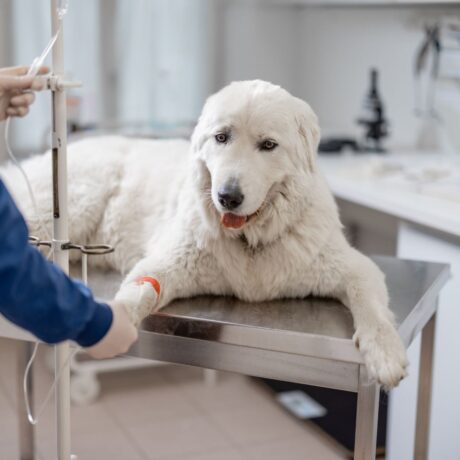
Treatment depends on severity and underlying cause.
1. Fluid Therapy
Helps flush toxins and correct dehydration.
2. Specialized Diet
Prescription diets low in phosphorus and controlled protein levels reduce kidney workload. Liver diets contain easily digestible proteins and antioxidants.
3. Medications
-
Anti-nausea drugs
-
Phosphate binders
-
Blood pressure medications
-
Liver protectants (like SAMe and silymarin)
4. Supplements
Nutritional supplements may support organ repair and immune function.
5. Hospitalization (Severe Cases)
Critical patients may require IV fluids and continuous monitoring.
Early intervention dramatically improves prognosis in Kidney & Liver Problems in Dogs and Cats.
Browse our Dog Liver Care & Cat Liver Care
Shop Petmedicine.co
Home Care Tips for Pet Parents
Managing organ disease requires consistent care at home.
Ensure Fresh Water Access
Hydration is critical for kidney function.
Follow Prescribed Diet Strictly
Avoid table scraps and high-sodium treats.
Monitor Urination & Appetite
Track changes and report them promptly.
Administer Medications on Schedule
Consistency ensures effectiveness.
Schedule Regular Vet Visits
Routine blood work helps monitor disease progression.
Preventing Kidney & Liver Problems in Dogs and Cats
While not all cases are preventable, you can reduce risk:
-
Provide high-quality, balanced nutrition
-
Avoid toxic foods (chocolate, grapes, onions)
-
Keep chemicals and medications out of reach
-
Ensure routine vaccinations
-
Maintain healthy body weight
-
Conduct annual health screenings (bi-annual for senior pets)
Preventive care is the most effective defense against Kidney & Liver Problems in Dogs and Cats.
When to See a Vet Immediately
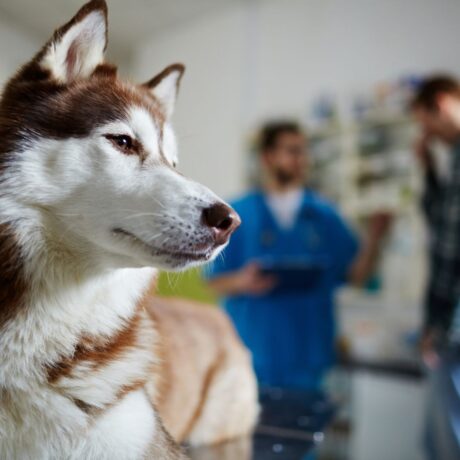
Seek urgent veterinary care if your pet shows:
-
Sudden vomiting or diarrhea
-
Refusal to eat for more than 24 hours
-
Yellowing of eyes or gums
-
Seizures
-
Severe lethargy
-
Blood in urine
Delaying treatment may lead to irreversible damage.
Browse our Dog Kidney Care & Cat Kidney Care
View our atPetmedicine.co
Prognosis and Quality of Life
With early diagnosis and proper management, many pets with Kidney & Liver Problems in Dogs and Cats can live comfortable lives for years. Chronic conditions require lifestyle adjustments, but pets often adapt well with supportive care.
The key lies in awareness, early detection, and consistent veterinary supervision.
Final Thoughts
Kidney & Liver Problems in Dogs and Cats are serious but manageable when identified early. Paying attention to subtle behavioral or physical changes can make a life-saving difference. Regular vet checkups, proper nutrition, and responsible pet care are essential to maintaining organ health.
At petmedicine.co, we believe informed pet parents make healthier choices for their furry companions. If you suspect any signs of kidney or liver issues, consult your veterinarian promptly and explore supportive supplements and prescription care options tailored to your pet’s needs.
Your pet depends on you — early action can protect their future.