
Cat Dewormer: A Complete Guide for Healthy, Happy Cats
Keeping your cat healthy goes beyond good food and regular grooming. One of the most important yet often overlooked aspects of feline care is deworming. Intestinal worms are common in cats of all ages and can silently affect their health if not treated on time. Using a cat dewormer correctly helps protect your cat from internal parasites and ensures long-term wellbeing.
In this guide, we’ll explain what a cat dewormer is, when it should be given, the benefits of regular deworming, and answer the top FAQs every cat parent should know.
What Is a Cat Dewormer?
A cat dewormer is a veterinary medication designed to eliminate internal parasites (worms) living inside a cat’s digestive system. These parasites feed on nutrients, weaken the immune system, and can cause serious health issues if left untreated.
Common Types of Worms in Cats
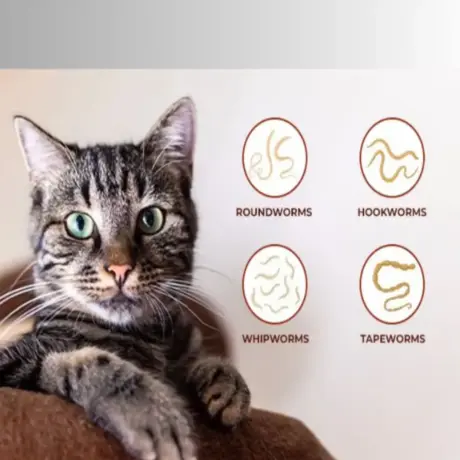
Cat dewormers are formulated to target one or more of the following parasites:
- Roundworms – The most common intestinal worms, especially in kittens
- Tapeworms – Often transmitted through fleas or hunting prey
- Hookworms – Blood-feeding worms that can cause anaemia
- Whipworms – Less common but still harmful to intestinal health
Cat dewormers come in different forms such as tablets, syrups, suspensions, and spot-on treatments. Some are broad-spectrum dewormers, meaning they treat multiple types of worms, while others are specific to certain parasites.
⚠️ Always consult a veterinarian before choosing a cat dewormer, as the correct medication depends on your cat’s age, weight, and type of infection.
When Should Cat Dewormer Be Given?
The timing of deworming is just as important as the medication itself. Cats can get worms at different life stages, so deworming schedules vary.
Deworming Schedule for Kittens
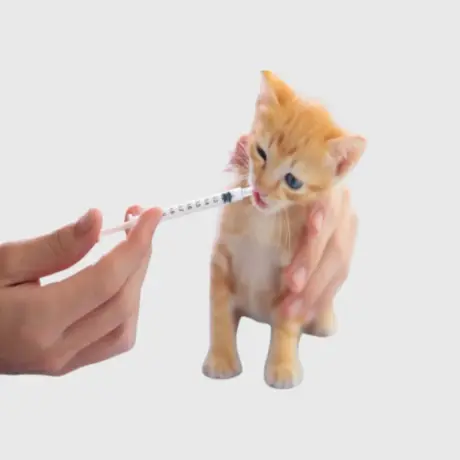
Kittens are highly susceptible to worms and often get infected through their mother’s milk.
- First deworming: At 2–3 weeks of age
- Repeat doses: Every 2 weeks until 12 weeks old
- After 3 months: Once every month until 6 months of age
Early deworming helps kittens grow properly and prevents nutritional deficiencies.
Deworming Schedule for Adult Cats
Adult cats should be dewormed regularly, even if they appear healthy.
- Indoor cats: Every 3–6 months
- Outdoor cats: Every 2–3 months
- Cats that hunt or have fleas: More frequent deworming may be required
Signs Your Cat May Need Deworming
Even with a schedule, watch for symptoms such as:
- Vomiting or diarrheal
- Visible worms in stool or vomit
- Weight loss despite good appetite
- Dull coat or pot-bellied appearance
- Lethargy or weakness
If you notice these signs, consult a vet immediately and start the appropriate cat dewormer treatment.
6 Benefits of Giving Cat Dewormer
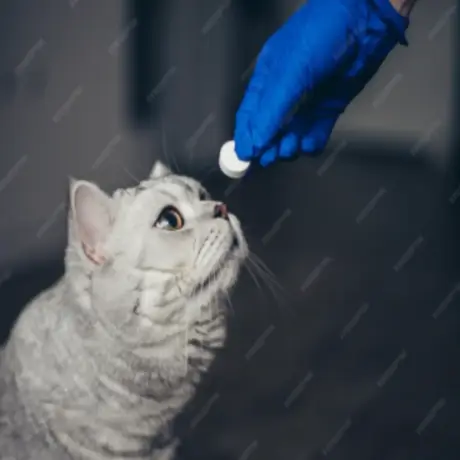
Regular deworming is not just a preventive step—it plays a major role in your cat’s overall health.
- Improves Digestive Health
Worms interfere with digestion by stealing nutrients. Deworming removes parasites, allowing your cat to absorb essential vitamins and minerals properly.
- Supports Healthy Growth in Kittens
Kittens infected with worms may experience stunted growth. A proper deworming routine ensures healthy weight gain and strong development.
- Boosts Immunity
Internal parasites weaken the immune system. Deworming helps your cat fight off infections and maintain better resistance to diseases.
- Prevents Serious Health Complications
Untreated worm infestations can lead to anaemia, intestinal blockage, severe weakness, and in extreme cases, death. A cat dewormer helps prevent these risks.
- Reduces Risk of Transmission to Humans
Some cat worms are zoonotic, meaning they can spread to humans—especially children. Regular deworming protects not only your pet but your entire household.
- Promotes Overall Comfort and Energy
Cats free from worms are more active, playful, and comfortable. You’ll often notice improved appetite, coat condition, and behaviour after deworming.
Top 5 FAQs for Cat Dewormer

- How often should I give a cat dewormer?
For most adult cats, deworming every 3 months is recommended. Outdoor cats or those exposed to fleas may need more frequent treatment. Always follow your vet’s advice.
- Are cat dewormers safe?
Yes, veterinary-approved cat dewormers are safe when used at the correct dosage. Side effects are rare and usually mild, such as temporary vomiting or loose stools.
- Can I deworm my cat without a vet visit?
Routine preventive deworming can be done at home using vet-recommended products. However, if your cat shows severe symptoms or you’re unsure about the type of worms, a vet consultation is necessary.
- Can indoor cats get worms?
Yes. Indoor cats can get worms through contaminated food, fleas, or contact with infected surfaces. Even indoor-only cats should receive regular cat dewormer treatments.
- What should I do if I see worms after deworming?
Seeing worms in stool after deworming is normal—it means the medication is working. However, if worms persist after a few days, consult your vet for a follow-up dose or alternative treatment.
Top Cat & Kitten Dewormers in India
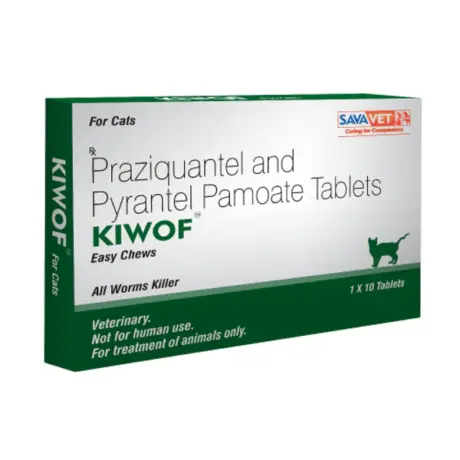
SAVAVET Kiwof Dewormer Cats and Kitten,10 Tablets
Dr Goel’s WORMISULE XP Homoeopathic Natural Deworming for Pets, 30 ML

Buy Now – Dr Goel’s WORMISULE XP Homoeopathic Natural Deworm
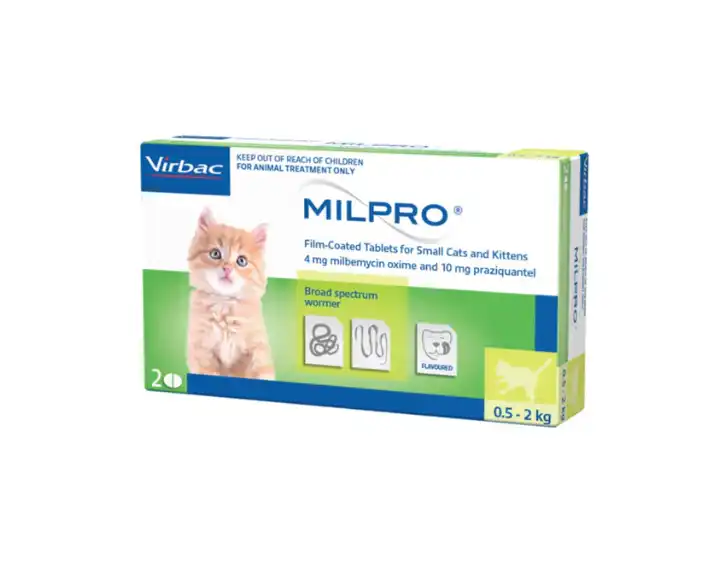
Buy Now – Virbac Milpro Dewormer Cat
A cat dewormer is an essential part of responsible pet care. Regular deworming keeps your cat healthy, protects your family from zoonotic risks, and ensures a longer, happier life for your feline companion. Whether you’re caring for a playful kitten or a mature adult cat, following a proper deworming schedule is a simple step with lifelong benefits.
At petmedicine.co, you can find trusted, vet-approved cat dewormers designed to keep your cat safe and parasite-free. Always choose the right product, follow dosage instructions carefully, and consult your veterinarian when in doubt—because a worm-free cat is a healthy cat 🐾